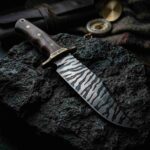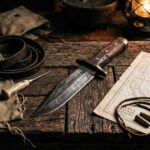
There is something undeniably captivating about the gleam of polished steel and the rich history behind traditional weaponry. For centuries, collectors, historians, and martial artists have studied the intricate craftsmanship of blades from around the globe. When you dive into the fascinating study of katanas and swords, you uncover a rich tapestry of culture, metallurgical science, and martial discipline.
Whether you want to start a collection or simply want to understand the rich heritage of Japanese blades, you need reliable information. This guide breaks down the essential differences between various historical blades, explores pricing and legality, and helps you understand exactly what to look for when you decide to purchase your own piece of history.
The Difference Between a Katana and a Samurai Sword
Many beginners use the terms interchangeably, but understanding the difference between a katana and a samurai sword is crucial for any serious collector.
Samurai sword is actually a broad umbrella term. It refers to any bladed weapon wielded by the samurai class throughout Japan’s feudal history. This category includes several different types of swords, such as the tachi (a cu
rved sword worn edge-down), the wakizashi (a shorter companion sword), and the tanto (a dagger).
The katana, on the other hand, is one specific type of samurai sword. Recognized by its distinctive curved, single-edged blade, circular or squared guard, and long grip designed to accommodate two hands, the katana became the most prominent weapon of the samurai during the Muromachi period. So, while every katana is a samurai sword, not every samurai sword is a katana.
The Allure of an Authentic Katana Sword
The craftsmanship behind an authentic katana sword is nothing short of legendary. Traditional Japanese swordsmiths use a specialized steel called tamahagane. They fold this steel repeatedly to remove impurities and distribute carbon evenly. This painstaking process creates a blade with a hard, razor-sharp edge and a softer, flexible spine that can absorb the shock of impact without breaking.
Owning a Real Samurai Sword from 1500’s
For elite collectors, the ultimate prize is acquiring an antique blade. Finding a real samurai sword from 1500’s allows you to hold a genuine piece of the Sengoku period (the Age of Warring States). These historical artifacts carry the distinct signatures of master smiths. Due to their age and historical significance, these swords require meticulous care, regular oiling, and professional appraisal to maintain their condition and value.
Katana Sword Price: What to Expect
If you are looking for a katana for sale, you will quickly notice a massive variation in price tags. The katana sword price depends entirely on the manufacturing process, materials, and historical significance.
How Much Will a Katana Cost?
When determining your budget, it helps to break down the market into three main categories:
- Display Replicas: You can find mass-produced stainless steel replicas for $50 to $150. These are strictly for decoration and will easily break if you try to use them for cutting practice.
- Functional Modern Replicas: If you want a functional sword for martial arts (tameshigiri), you will need a blade made from high-carbon or spring steel. These typically range from $200 to $1,500, depending on the fittings and polish.
- Traditional Nihonto: A newly forged authentic katana made by a licensed Japanese smith using traditional methods will start around $5,000 and can easily exceed $10,000.
Real Katana Price in USA
The real katana price in USA markets fluctuates based on import fees and dealer reputations. When buying a traditional Nihonto within the United States, expect to pay a premium. Antique blades with verifiable paperwork (such as NBTHK certification) often sell at specialized auctions for anywhere between $8,000 and $50,000, depending on the era and the smith’s pedigree.
Where to Buy Real Katana
Knowing where to buy real katana safely is the most important step in your collecting journey. Avoid tourist shops, flea markets, and unverified online marketplaces, as these venues primarily sell cheap knockoffs disguised as the real thing.
Instead, seek out reputable dealers who specialize in Japanese swords. Look for businesses that provide detailed photographs of the blade’s tang (nakago), clear descriptions of the forging process, and guarantees of authenticity. Many trusted vendors based in the USA import directly from modern Japanese forges, ensuring you receive a high-quality product. Always ask for certification if you are purchasing an antique or a traditional Nihonto.
Is Katana Sword Illegal? Understanding the Law
Before you make a purchase, you must ask: Is katana sword illegal?
In the United States, owning a katana is generally legal for adults. There are no federal laws prohibiting the ownership of swords. However, you must pay close attention to state and local regulations. While keeping a sword in your home as a collector’s item is legal almost everywhere, carrying a katana in public is heavily restricted. Many jurisdictions classify swords as illegal concealed weapons or prohibit the open carry of large blades. Always check your local municipal codes before transporting your sword outside of your home or dojo.
Also Read: Guide to the Types of Samurai Swords 2026
Frequently Asked Questions (FAQs)
Are katanas the same as swords?
A katana is a specific type of sword. While the word “sword” covers a vast array of bladed weapons from European broadswords to Middle Eastern scimitars, a katana specifically refers to the traditional, curved, single-edged Japanese blade worn by the samurai.
Is a katana better than a sword?
No weapon is universally “better” than another; it depends entirely on the context and intended use. The katana was perfectly designed for the specific armor and combat style of feudal Japan, prioritizing swift, slicing motions. A European longsword, conversely, was designed to thrust and bash through heavy plate armor. Each sword excels in its own specialized martial environment.
Is katana sword illegal?
In most parts of the United States, it is perfectly legal to buy and own a katana for private collection or martial arts practice. However, carrying a katana in public is strictly regulated or outright banned in many cities and states. Always review your local knife and sword laws to ensure total compliance.
How much will a katana cost?
A basic decorative replica costs around $50 to $100. A functional, modern high-carbon steel katana suitable for martial arts practice will cost between $200 and $1,500. A genuinely authentic, traditionally forged katana from Japan starts around $5,000 and can reach tens of thousands of dollars.
Conclusion
The world of katanas and swords offers an incredibly rewarding journey into history, metallurgy, and martial arts. Understanding the difference between a katana and a samurai sword allows you to appreciate the nuanced history of Japanese weaponry. Whether you are hunting for a real samurai sword from 1500’s or simply want a functional modern blade for martial arts practice, knowing what dictates a katana sword price helps you make informed decisions.
Remember to research local laws regarding sword ownership, always source your blades from reputable dealers, and treat these magnificent pieces of history with the respect they deserve. With the right knowledge and a discerning eye, you can build a collection that honors the deep cultural significance of the legendary katana.